


1400 Louisville Street
Starkville, MS 39759


Common Signs Your Pet May Need Internal Medicine Evaluation
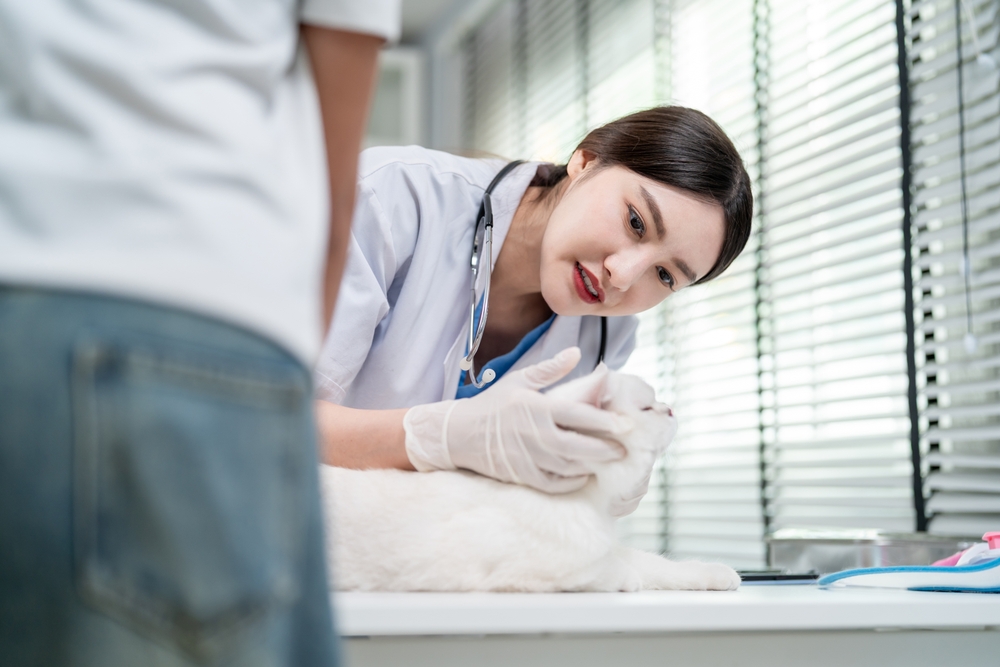
When your pet feels bad, they cannot tell you. They need you to notice when something is wrong. Sometimes, a regular vet can help. Other times, the problem is deeper and needs a specialist. Internal medicine vets focus on complex issues inside your pet’s body.
What Is an Internal Medicine Specialist?
These vets have extra training in problems with organs like the kidneys, liver, and stomach. They spend years learning beyond the regular vet school curriculum. They use specialized tools, such as scopes and imaging, to determine what is wrong.
Your regular vet is still your main partner. They handle checkups, shots, and common sicknesses. When a problem is hard to solve or does not improve with standard care, they may refer you to a specialist. The specialist works with your regular vet, not instead of them.
Signs That May Point to an Internal Medicine Issue
- Ongoing Vomiting or Diarrhea
A sick stomach now and then is normal. But if your pet throws up or has runny poop for more than a day or two, something could be wrong. This can dry them out and may indicate inflamed bowels or food allergies.
- Weight Loss You Cannot Explain
If your pet is losing weight but eating the same amount, that is a red flag. This can happen with kidney, liver, or intestinal issues. It can also be a sign of cancer.
- Changes in How They Eat
A pet that stops eating or suddenly eats way more needs a check. Eating more but losing weight can mean diabetes. Not eating can mean many things, from sore teeth to sick organs.
- More Thirst and Peeing
If you fill the water bowl more often or see more accidents in the house, pay attention. Drinking and peeing too much are signs of kidney disease, diabetes, or Cushing’s disease.
- Cough That Will Not Go Away
A persistent cough can mean heart or lung trouble. If your pet struggles to breathe, gets tired fast on walks, or coughs for days, see a vet.
- Tiredness and Weakness
A pet that sleeps all day or has no energy is not just lazy; it may be sick. This can mean anemia, infection, or heart problems. A pet that hides, sleeps too much, or seems weak needs a vet.
- Yellow Skin or Gums
Yellowing of the skin, eyes, or gums is called jaundice. It is a sign of liver problems or issues with red blood cells. It can come on fast and needs care right away.
- Seizures or Shaking
Any seizure should be checked. Seizures can come from epilepsy, but they can also come from brain tumors, liver issues, or poisons. A specialist can help find out why and how to treat it.
- Belly Pain or Swelling
If your pet pulls away when you touch their belly or if their stomach looks puffy, something may be wrong inside. This could mean issues with the pancreas, fluid buildup, or a growth.
- Fever That Lasts
A fever that does not respond to normal care may indicate a hidden infection or an immune problem. Your vet may send you to a specialist to find the cause.
To know if your pet needs an internal medicine evaluation, visit Starkville Veterinary Hospital. Our office is in Starkville, Mississippi. Call (662) 323-7078 to book an appointment today.
https://www.aaha.org/resources/when-to-see-a-veterinary-specialist-a-guide-for-pet-parents/
https://www.healthline.com/health/9-warning-signs-dog-needs-veterinarian


© 2026 Starkville Veterinary Hospital. All rights Reserved - Accessibility Statement - Privacy Policy - Sitemap
Powered by
